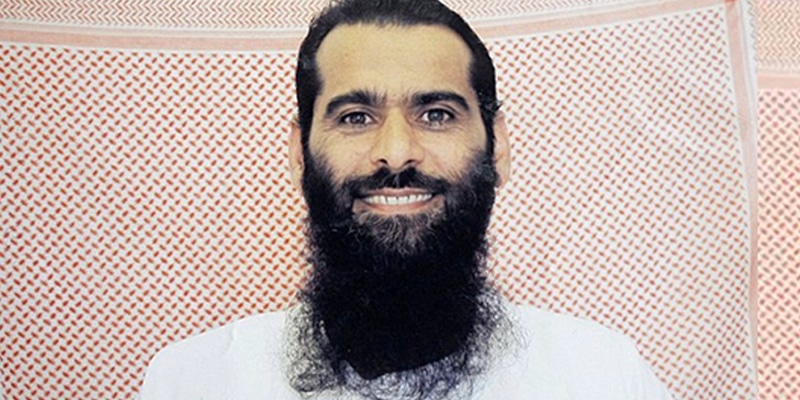
“Forever Prisoner” Muhammad Rahim, the Last Afghan in Guantánamo, Eloquently Pleads For His Release
Please support my work as a reader-funded journalist! I’m currently trying to raise $2500 (£2000) to support my writing and campaigning on Guantánamo and related issues over the next three months. If you can help, please click on the button below to donate via PayPal.
On August 15, completely unremarked on by the mainstream media, Muhammad Rahim, the last Afghan held at Guantánamo, issued a heartfelt and eloquent plea for a panel of military and intelligence officers to approve his release from the prison, where he has been held for over 15 years without charge or trial.
Rahim, who is 57 years old, and in poor health, made his plea at a Periodic Review Board hearing, a process described by the media, when they can be bothered to pay attention to it, as a type of parole hearing — disregarding the crucial aspect that distinguishes it from parole hearings in the federal prison system, where the men given an opportunity to ask for their freedom have been convicted of a crime in federal court, and have received a prison sentence as a result.
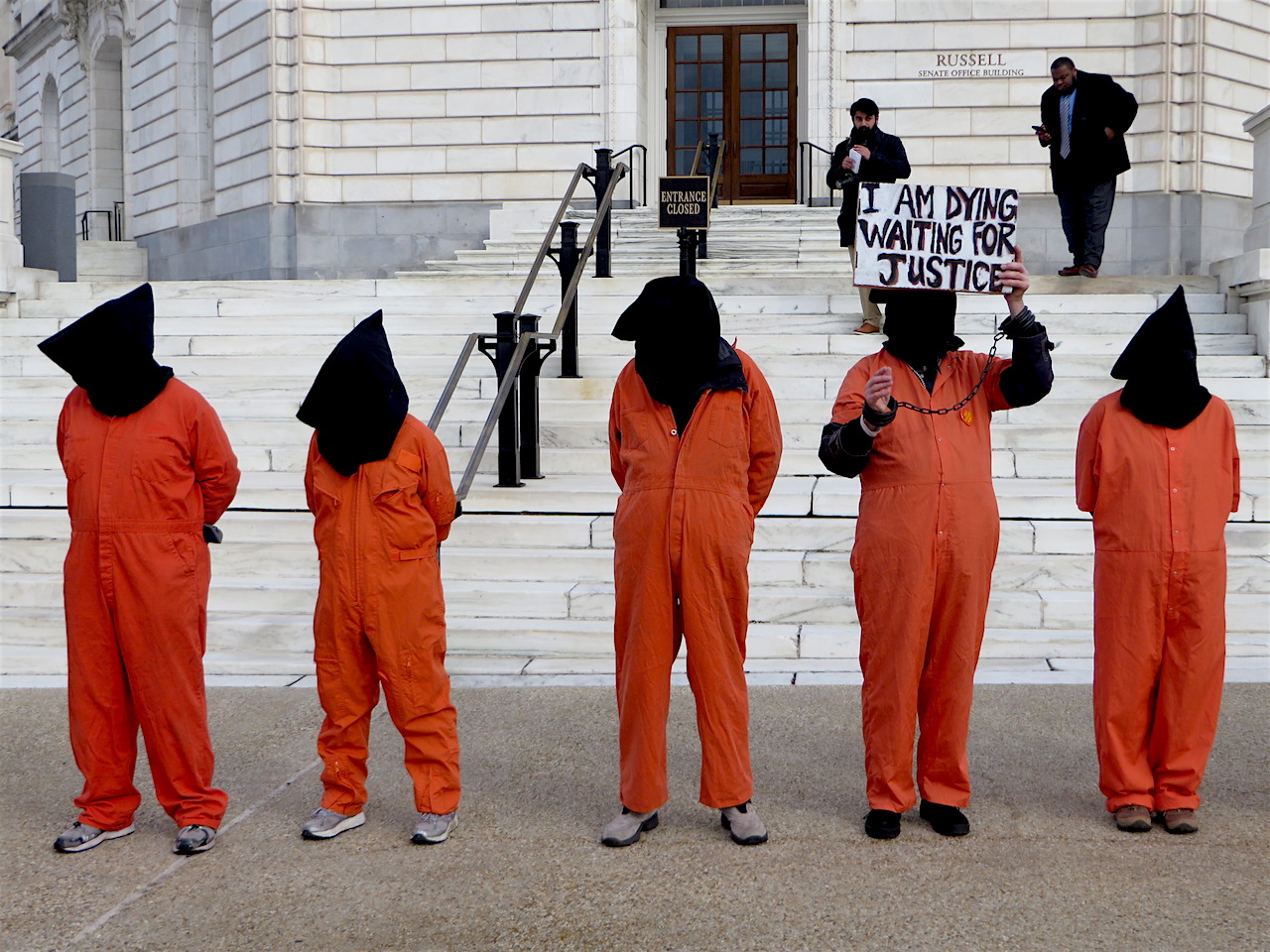
Established under President Obama, the Periodic Review Boards were created to review the cases of men regarded as “too dangerous to release,” but against whom insufficient evidence existed to put them on trial — men accurately described as “forever prisoners.” Since November 2013, 58 men have been approved for release by PRBs, with 20 of those decisions taking place since President Biden took office (although most of those 20 men, shamefully, have not yet been freed).
After First Ever Guantánamo Visit, UN Rapporteur Finds Dehumanized, Traumatized Men Subjected to Cruel, Inhuman and Degrading Treatment That May Rise to the Level of Torture
Please support my work as a reader-funded journalist! I’m currently trying to raise $2500 (£2000) to support my writing and campaigning on Guantánamo and related issues over the next three months. If you can help, please click on the button below to donate via PayPal.
I wrote the following article for the “Close Guantánamo” website, which I established in January 2012, on the 10th anniversary of the opening of Guantánamo, with the US attorney Tom Wilner. Please join us — just an email address is required to be counted amongst those opposed to the ongoing existence of Guantánamo, and to receive updates of our activities by email.
On Monday June 26, 7,837 days since the prison at Guantánamo Bay opened, and on the 25th anniversary of the establishment of the UN International Day in Support of Victims of Torture, the Special Procedures of the UN Human Rights Council (“independent human rights experts with mandates to report and advise on human rights from a thematic or country-specific perspective”) issued a devastatingly critical report about systemic, historic and ongoing human rights abuses at the prison, based on the first ever visit by a Special Rapporteur — Fionnuala Ní Aoláin, the Special Rapporteur on the Promotion and Protection of Human Rights and Fundamental Freedoms while Countering Terrorism, who visited the prison in February.
At the time of her visit, just 34 men were held at the prison (a number now reduced to 30), out of the 779 men and boys who have been held by the US military throughout the prison’s long history, and, as the Special Rapporteur admitted, she agreed with every “detainee or former detainee,” who, “[i]n every meeting she held” with them, told her, “with great regret,” that she had arrived “too late.”
However, it is crucial to understand that the lateness of the visit was not through a lack of effort on the part of the UN; rather, it was a result of a persistent lack of cooperation by the US authorities — part of a pattern of obstruction, secrecy and surveillance that prevented any UN visit because the authorities failed to comply with the Terms of Reference for Country Visits by Special Procedure Mandate Holders, which require “[c]onfidential and unsupervised contact with witnesses and other private persons, including persons deprived of their liberty.”












 Who's still at Guantánamo?
