Guantánamo Torture Victim Mohamedou Ould Salahi and the Extraordinary Power of Forgiveness
Please support my work as a reader-funded journalist! I’m currently trying to raise $2500 (£2000) to support my writing and campaigning on Guantánamo and related issues over the next three months of the Trump administration. If you can help, please click on the button below to donate via PayPal.
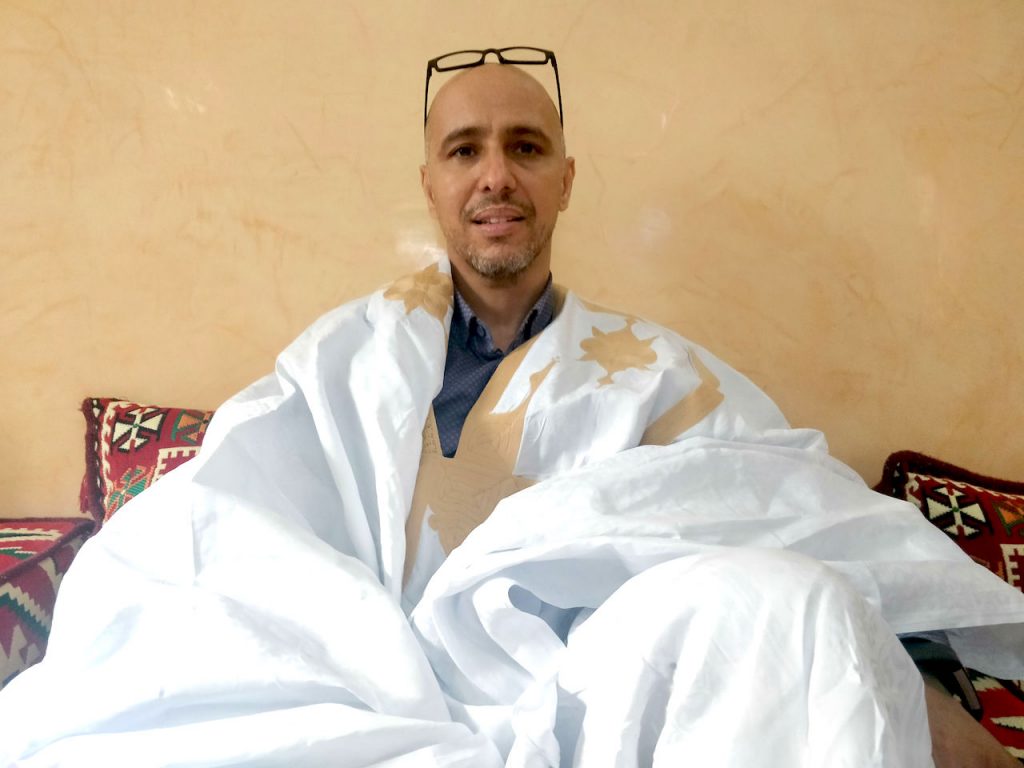
In the long and dispiriting history of the US prison at Guantánamo Bay, few of the 729 men and boys released have become household names, but one who has is the Mauritanian citizen Mohamedou Ould Salahi, best known as the author of the acclaimed memoir Guantánamo Diary, written while he was at the prison.
A victim of the US’s global network of torture prisons, and subjected to a special torture program at Guantánamo that was approved by then-defence secretary Donald Rumsfeld, Salahi (generally identified at Guantánamo as Slahi) was mistakenly regarded as a significant player in Al-Qaeda, but was finally approved for release in July 2016, and was released in Mauritania three months later, almost 15 years since his own government, as he so memorably put it, “turned me over, short-cutting all kinds of due process, like a candy bar to the United States.”
Despite being freed, Salahi is trapped in Mauritania, as his government has broken a promise to return his passport to him after two years, a situation that I wrote about in March, when, as I also pointed out, everyone released from Guantánamo — all those men and boys described by the US as “enemy combatants” — are forever tainted by the experience, and continue to live fundamentally without rights.











 Who's still at Guantánamo?
