Archive for January, 2011
Psychologists Protest the Torture of Bradley Manning to the Pentagon; Jeff Kaye Reports
 My colleague Jeff Kaye — or to give him his proper title, Dr. Jeffrey Kaye — amazes all who know him by being an extraordinary freelance journalist while holding down a full-time job as a psychologist. As I have previously reported, Jeff has spent many years digging away at the largely submerged story of how aspects of the Bush administration’s torture program followed on from the CIA’s decades-long program of human experimentation and grim investigations into how to destroy the human mind, and I’m cross-posting below a recent article by Jeff on FireDogLake publicizing a letter to defense secretary Robert Gates by Psychologists for Social Responsibility (PsySR), a non-profit organization of psychologists committed to social change and social justice, protesting about the ongoing isolation, in a US military brig, of Bradley Manning, the alleged whistleblower responsible for providing WikiLeaks with the extraordinary cache of material that dominated headlnes for much of last year — and that will, presumably, continue to dominate headlines in 2011.
I’m particularly interested in Jeff’s article, because he also homes in on “the use of bogus Prevention of Injury (POI) orders to justify some of the conditions of Manning’s imprisonment,” which, while supposedly “aimed at protection against suicidal self-harm,” actually “amount to psychological harassment and cruel treatment.” As Jeff notes, “Rather than ‘protecting’ PFC Manning, the orders assist in breaking him down psychologically,” and it is this aspect of Manning’s treatment — aimed, very possibly, at “breaking” him so that he will make some sort of confession implicating Julian Assange, the Wikileaks founder, as a player in the leaks, rather than an uninvolved recipient of leaked material — that I discussed in my recent article, Is Bradley Manning Being Held as Some Sort of “Enemy Combatant”?.
Psychologist Organization Protests to Gates on Bradley Manning’s Solitary Confinement
Jeff Kaye, FireDogLake, January 3, 2011
Psychologists for Social Responsibility (PsySR), a non-profit organization of psychologists committed to social change and social justice, has written a letter to Secretary of Defense Robert Gates, protesting “the needless brutality of the conditions to which 23-year-old PFC Bradley Manning is being subjected” at the Marine Corps brig at Quantico, Virginia. He has been accused of unauthorized access to classified material, some of which he allegedly downloaded to his computer, as well as other computer and security-related charges.
It is widely speculated that these charges relate to materials turned over to the Wikileaks website, including a video of an Apache helicopter attack civilians in Baghdad, the Iraq War logs, and thousands of State Department diplomatic cables. The military charge sheet accuses Manning of “wrongfully introducing more than 50 classified United States Department of State cables onto his personal computer, a non-secure information system.” It also alleges he downloaded a Powerpoint presentation, and “a classified video of a military operation filmed at or near Baghdad, Iraq, on or about 12 July 2007.”
Manning was held for approximately three weeks at Camp Arifjan in Kuwait before being transferred to Quantico, where he has remained in solitary confinement since late last July. In an article last month, I reported on PFC Manning’s current psychological state, as best as I could determine from speaking to David House, who had just visited him, and on the deleterious effects of solitary confinement in general. PsySR’s letter speaks at length also about the harsh conditions of solitary, and notes “no such putative risk can justify keeping someone not convicted of a crime in conditions likely to cause serious harm to his mental health.”
Isolation is truly a form of torture, and one often practiced in the so-called civilized world. A vicious form of solitary confinement known as “Special Administrative Measures” or SAMs were imposed by the Bush Administration Department of Justice on Syed Fahad Hashmi, and renewed by Attorney General Holder under President Obama. The SAMs meant Hashmi was kept in 23-hour lockdown and isolation before trial for three long years.
While it is used to break and control prisoners in America’s Supermax prisons, when used on accused prisoners, such as the detainees at Guantanamo, it can be used to “exploit” the prisoner. Such “exploitation” is a key component of torture programs, as the torture regime seeks not just information, but ways to manipulate prisoners for political benefit, or for use by intelligence agencies. Recently, Wikileaks’ Julian Assange told Sir David Frost on Frost’s interview program that airs on English Al-Jazeera that he believes the tortuous conditions of Manning’s solitary confinement are meant to force Manning to implicate him in supposed crimes against the American government. (See video of the Assange-Frost interview here.)
Assange has repeatedly said he does not know if Manning leaked the material to Wikileaks or not, but noted in an interview with Cenk Uygur at MSNBC last month:
If we are to believe the allegations, then this man acted for political reasons. He is a political prisoner in the United States. He has not gone to trial. He’s been a political prisoner without trial in the United States for some six or seven months. That’s a serious business. Human rights organizations should be investigating the conditions under which he is held and is there really due process there?
If there is one aspect of Manning’s situation I wish PsySR had emphasized more, it concerns the use of bogus Prevention of Injury (POI) orders to justify some of the conditions of Manning’s imprisonment, including use of a rough, heavy “suicide blanket,” limitations on time out of his cell, waking him in the night to “check” on him, as well as “checking” on him every five minutes or so during the day to ask if he is alright, even though he is under 24-hr. video surveillance. In addition, he is not allowed any personal items in his cell. He is not allowed to exercise in his cell, either. While it supposedly is aimed at protection against suicidal self-harm, the POI orders amount to psychological harassment and cruel treatment. Rather than “protecting” PFC Manning, the orders assist in breaking him down psychologically.
The POI orders are supposedly in place due to an assessment made by military mental health professionals. But reportedly a military psychiatrist found Manning not to be suicidal, and it’s unclear why he remains under POI orders. Quantico Public Affairs Officer Lt. Brian Villiard told Dennis Leahy at A World Without Borders last week that “a board meets ‘frequently’ to reassess the [POI] situation.”
What follows is the text of the PsySR letter. PsySR is not affiliated with the larger American Psychological Assocation (APA). Neither APA nor the American Psychiatric Association has apparently made any statement on Manning’s onerous conditions of confinement.
PsySR Open Letter on PFC Bradley Manning’s Solitary Confinement
January 3, 2011
The Honorable Robert M. Gates
Secretary
100 Defense Pentagon
Washington, DC 20301
Dear Mr. Secretary:
Psychologists for Social Responsibility (PsySR) is deeply concerned about the conditions under which PFC Bradley Manning is being held at the Quantico Marine Corps Base in Virginia. It has been reported and verified by his attorney that PFC Manning has been held in solitary confinement since July of 2010. He reportedly is held in his cell for approximately 23 hours a day, a cell approximately six feet wide and twelve feet in length, with a bed, a drinking fountain, and a toilet. For no discernible reason other than punishment, he is forbidden from exercising in his cell and is provided minimal access to exercise outside his cell. Further, despite having virtually nothing to do, he is forbidden to sleep during the day and often has his sleep at night disrupted.
As an organization of psychologists and other mental health professionals, PsySR is aware that solitary confinement can have severely deleterious effects on the psychological well-being of those subjected to it. We therefore call for a revision in the conditions of PFC Manning’s incarceration while he awaits trial, based on the exhaustive documentation and research that have determined that solitary confinement is, at the very least, a form of cruel, unusual and inhumane treatment in violation of U.S. law.
In the majority opinion of the U.S. Supreme Court case Medley, Petitioner, 134 U.S. 1690 (1890), U.S. Supreme Court Justice Samuel Freeman Miller wrote, “A considerable number of the prisoners fell, after even a short confinement, into a semi-fatuous condition, from which it was next to impossible to arouse them, and others became violently insane; others still, committed suicide; while those who stood the ordeal better were not generally reformed, and in most cases did not recover sufficient mental activity to be of any subsequent service to the community.” Scientific investigations since 1890 have confirmed in troubling detail the irreversible physiological changes in brain functioning from the trauma of solitary confinement.
As expressed by Dr. Craig Haney, a psychologist and expert in the assessment of institutional environments, “Empirical research on solitary and supermax-like confinement has consistently and unequivocally documented the harmful consequences of living in these kinds of environments . . . Evidence of these negative psychological effects comes from personal accounts, descriptive studies, and systematic research on solitary and supermax-type confinement, conducted over a period of four decades, by researchers from several different continents who had diverse backgrounds and a wide range of professional expertise… [D]irect studies of prison isolation have documented an extremely broad range of harmful psychological reactions. These effects include increases in the following potentially damaging symptoms and problematic behaviors: negative attitudes and affect, insomnia, anxiety, panic, withdrawal, hypersensitivity, ruminations, cognitive dysfunction, hallucinations, loss of control, irritability, aggression, and rage, paranoia, hopelessness, lethargy, depression, a sense of impending emotional breakdown, self-mutilation, and suicidal ideation and behavior” (pp. 130-131, references removed).
Dr. Haney concludes, “To summarize, there is not a single published study of solitary or supermax-like confinement in which non-voluntary confinement lasting for longer than 10 days where participants were unable to terminate their isolation at will that failed to result in negative psychological effects” (p. 132).
We are aware that prison spokesperson First Lieutenant Brian Villiard has told AFP that Manning is considered a “maximum confinement detainee,” as he is considered a national security risk. But no such putative risk can justify keeping someone not convicted of a crime in conditions likely to cause serious harm to his mental health. Further, history suggests that solitary confinement, rather than being a rational response to a risk, is more often used as a punishment for someone who is considered to be a member of a despised or “dangerous” group. In any case, PFC Manning has not been convicted of a crime and, under our system of justice, is at this point presumed to be innocent.
The conditions of isolation to which PFC Manning, as well as many other U.S. prisoners are subjected, are sufficiently harsh as to have aroused international concern. The most recent report of the UN Committee against Torture included in its Conclusions and Recommendations for the United States the following article 36:
“The Committee remains concerned about the extremely harsh regime imposed on detainees in “supermaximum prisons”. The Committee is concerned about the prolonged isolation periods detainees are subjected to, the effect such treatment has on their mental health, and that its purpose may be retribution, in which case it would constitute cruel, inhuman or degrading treatment or punishment (art. 16).
The State party should review the regime imposed on detainees in “supermaximum prisons”, in particular the practice of prolonged isolation.” (Emphasis in original.)
In addition to the needless brutality of the conditions to which PFC Manning is being subjected, PsySR is concerned that the coercive nature of these conditions — along with their serious psychological effects such as depression, paranoia, or hopelessness — may undermine his ability to meaningfully cooperate with his defense, undermining his right to a fair trial. Coercive conditions of detention also increase the likelihood of the prisoner “cooperating” in order to improve those circumstances, even to the extent of giving false testimony. Thus, such harsh conditions are counter to the interests of justice.
Given the nature and effects of the solitary confinement to which PFC Manning is being subjected, Mr. Secretary, Psychologists for Social Responsibility calls upon you to rectify the inhumane, harmful, and counterproductive treatment of PFC Bradley Manning immediately.
Sincerely,
Trudy Bond, Ph.D.
Psychologists for Social Responsibility Steering Committee
Stephen Soldz, Ph.D.
President, Psychologists for Social Responsibility
For the Psychologists for Social Responsibility Steering Committee
An article by Dennis Leahy at the Bradley Manning Support Network website describes how concerned readers can register their opinions with the military authorities (bold emphasis in original):
The Bradley Manning Support Network calls upon Quantico base commander COL Daniel Choike and brig commanding officer CWO4 James Averhart to put an end to these inhumane, degrading conditions. Additionally, the Network encourages supporters to phone COL Choike at +1-703-784-2707 or write to him at 3250 Catlin Avenue, Quantico, VA 22134, and to fax CWO4 Averhart at +1-703-784-4242 or write to him at 3247 Elrod Avenue, Quantico, VA 22134, to demand that Bradley Manning’s human rights be respected while he remains in custody.
Full disclosure note from Jeff: I have been a paying member of PsySR, though I have not participated in any organizational activities, nor am I a member of any of their committees. Any of my own opinions expressed here are my own, and cannot be attributed to PsySR.
 Andy Worthington is the author of The Guantánamo Files: The Stories of the 774 Detainees in America’s Illegal Prison (published by Pluto Press, distributed by Macmillan in the US, and available from Amazon — click on the following for the US and the UK) and of two other books: Stonehenge: Celebration and Subversion and The Battle of the Beanfield. To receive new articles in your inbox, please subscribe to my RSS feed (and I can also be found on Facebook and Twitter). Also see my definitive Guantánamo prisoner list, updated in July 2010, details about the new documentary film, “Outside the Law: Stories from Guantánamo” (co-directed by Polly Nash and Andy Worthington, currently on tour in the UK, and available on DVD here), my definitive Guantánamo habeas list and the chronological list of all my articles, and, if you appreciate my work, feel free to make a donation.
The Guantánamo Files: An Archive of Articles — Part Seven, July to December 2010

Please support my work!
For five years, I have been researching and writing about Guantánamo and the 779 men (and boys) held there over the last nine years, first through my book The Guantánamo Files, which tells the story of the prison and around 450 of the prisoners, and then through 12 online chapters, which provide information about the majority of the other 329 prisoners (see the links in the left-hand column). Since May 2007, I have followed up on this project, working as a full-time independent investigative journalist, covering stories as they develop, and focusing in particular on the stories of released prisoners, the Military Commission trial system, and the prisoners’ progress in the courts, through their habeas corpus petitions. For nearly three years, I focused on the crimes of the Bush administration and, since January 2009, I have turned my attention to the failures of the Obama administration to thoroughly repudiate those crimes and to hold anyone accountable for them, and, increasingly, on the Obama administration’s failure to charge or release prisoners, and to show any sign that Guantánamo will eventually be closed.
My intention, all along, has been to bring the men to life through their stories, dispelling the Bush administration’s rhetoric about the prison holding “the worst of the worst,” and demonstrating how, instead, the majority of the prisoners were either innocent men, seized by the US military’s allies at a time when bounty payments were widespread, or recruits for the Taliban, who had been encouraged by supporters in their homelands to help the Taliban in a long-running inter-Muslim civil war (with the Northern Alliance), which began long before the 9/11 attacks and, for the most part, had nothing to do with al-Qaeda or international terrorism. As I explained in the introduction to my four-part Definitive Prisoner List (which I hope to update in the near future), I remain convinced, through detailed research and through comments from insiders with knowledge of Guantánamo, that “at least 93 percent of the 779 men and boys imprisoned in total” had no involvement with terrorism.
However, as this is a blog, rather than a website, I recognize that it is increasingly difficult to navigate, as there are so many “Categories,” and, most crucially, there is no access to articles in anything other than reverse chronological order. In an attempt to remedy this shortcoming, and to provide easy access to the most important articles on the site, I have, in the last year, put together six chronological lists of all my articles, covering the periods May to December 2007, January to June 2008, July to December 2008, January to June 2009, July to December 2009, and January to June 2010, in the hope that they will provide a useful tool for navigation, and will provide researchers — and anyone else interested in this particularly bleak period of modern history — with a practical archive.
This latest list brings the story up to date, covering my articles in the last six months, from July to December 2010. I’d like to say that progess was made in this period, but in fact the opposite is true, and over the last six months the activities of the Obama administration, of Congress, and of the D.C. Circuit Court, have ensured that Guantánamo may not close while Obama is in office.
Just seven prisoners — out of the 97 cleared for release by the President’s interagency Guantánamo Review Task Force — were released in the last six months. This was the lowest six-monthly total since 2002, and was largely because of the unprincipled moratorium on releasing any Yemenis (amounting to guilt by nationality) that was announced by the President last January after hysteria greeted the news that the failed Christmas Day plane bomber, Umar Farouk Abdulmutallab (a Nigerian), had been recruited in Yemen. Under international pressure, the administration released a solitary Yemeni who had won his habeas corpus petititon, but no one cared — or seems to care still — that there was no basis to connect the remaining 58 Yemenis cleared for release by Obama’s interagency Guantánamo Review Task Force to a terrorist cell that had sprung up in Yemen in the last few years, or to presume that any released prisoner would somehow end up joining this cell. In fact, as the year came to an end, Congress also embroiled itself in the arguments, unconstitutionally including provisions in spending bills preventing the President from releasing any prisoner to a country regarded by lawmakers as dangerous — a list that included Afghanistan, Pakistan and Yemen.
When it came to trying any of the 35 prisoners that the Task Force recommended for trials, there was also little movement. Two men — Ibrahim al-Qosi, a sometime cook for Osama bin Laden’s entourage, and former child prisoner Omar Khadr — were put forward for trials by Military Commission, but were persuaded to accept plea deals so that the administration could avoid the embarrassment of actually proceeding with trials. In Khadr’s case, however, this could not disguise the fact that the Obama administration had proceeded with the first war crimes trial of a child prisoner since World War II, in spite of international treaties designed to guarantee the rehabilitation rather than the punishment of child soldiers, and, moreover, had done so by persuading Khadr to confess to war crimes that had been invented by Congress.
In October, the only man transferred from Guantánamo to the US mainland to face a federal court trial — Ahmed Khalfan Ghailani, a suspect in the 1998 African embassy bombings, and a former CIA “ghost prisoner” — was convicted on just one of the 285 charges that he faced, by a jury that was evidently unwilling to accept that he was a major player, but was prepared to accept that he was not entirely blameless. Despite the fact that Ghailani faces 20 years to life in prison, critics seized on the result as a failure, the administration did not protest enough that the result was actually a success, and, at year’s end, Congress responded with another unconstitutional power grab, including other provisions in the spending bills mentioned above, which prohibited any Guantánamo prisoner from being brought to the US mainland for any reason, and also prevented the administration from purchasing a prison on the US mainland to rehouse them. This was a naked ploy to prevent the administration from proceeding with the federal court trial of Khaled Sheikh Mohammed and four other men accused of involvement in the 9/11 attacks, which had been announced by Attorney General Eric Holder in November 2009.
With little movement on releasing any of the 90 cleared prisoners still held, and the administration unable to proceed with federal court trials and unwilling to proceed with trials by Military Commission for any of the 33 men recommended for trials by the Task Force (after criticism of the appalling treatment of Omar Khadr), the final stumbling block to the closure of Guantánamo concerns the 48 prisoners recommended for indefinite detention without charge or trial by the Task Force. This was always an unacceptable proposal, as it risked permanently enshrining indefinite detention as US policy, and it was not reassuring that, instead of allowing these men’s habeas petitions to proceed, and relabeling those found to be have been soldiers as prisoners of war, administration officials announced instead that they were preparing an executive order endorsing the men’s detention, but providing them with the opportunity to have their cases periodically reviewed.
On habeas corpus, this was also a bleak period. Although two Yemenis won their habeas petitions, they are still held (and the government seems to have decided that appealing sucessful petitions — even in the case of an innocent man with severe mental health problems — is preferable to releasing them), and five other men lost their petitions, in part because the administration was happy for the notoriously Conservative D.C. Circuit Court to overturn successful petitions, and to propose a standard for detention that would have pleased the most hardline members of the Bush administration. This, too, remains a disgrace, and it is not reassuring that, with the retirement of Justice John Paul Stevens, the Supreme Court, which may be called upon to review the basis of detention at Guantánamo for a fourth time, now has a default position on national security issues that is more right-wing than it was under President Bush.
In an attempt to highlight the plight faced by the remaining 174 prisoners at Guantánamo, I undertook a major project, beginning in September, telling the stories of all of these men. The first eight parts have been published (and are available here), and the ninth will follow soon.
Outside of Guantánamo, the administration continued to resist calls for accountability for the Bush administration’s torturers, invoking the little-known and little-used “state secrets” doctrine to prevent petitioners from even gaining access to a US courtroom with their complaints. This was the case with five men subjected to “extraordinary rendition” and torture in a variety of secret prisons, who had attempted to sue Jeppesen Dataplan Inc., a Boeing subsidiary, for its role as the CIA’s travel agent for torture, and it was a ploy that was so successful — despite being a blatant misuse of the precedent, cynically shielding any government activity from scrutiny by proclaiming “national security” concerns — that the administration also used it to prevent challenges to distressing innovations introduced under Obama — drone killings in Pakistan, and the unprecedented claim that, without any review process whatsoever, the President could order the assassination of US citizens abroad.
In sharp contrast to the US, the last six months were a significant period for activities relating to the accountability of the British government for its involvement in the “War on Terror,” with the new coalition government promising to establish a judicial inquiry into British complicity in torture abroad, and, in November, reaching a financial settlement with 15 former prisoners — and with Shaker Aamer, the last British resident in Guantánamo. This arose because of a need to stem the dangerous leak of revelations about the complicity in torture of senior government officials (including Tony Blair and Jack Straw), which — again in stark contrast to the US — were emerging on the order of senior judges from a civil claim for damages filed by seven former prisoners. Despite the protestations of the coalition government, however, the financial settlement not only established a precedent for other countries to follow, but also involved the tacit admission of guilt. It was, therefore, enormously important, even though it has not, to date, led to the release of Shaker Aamer, for whom a campaign is ongoing.
On the domestic front, the coalition government is involved in an internal struggle regarding the reform of the Labour government’s reviled anti-terror legislation, and specifically, the future of control orders (a form of house arrest for men held without charge or trial on the basis of secret evidence), which had not been resolved by the end of the year. I will continue to cover this story this year, especially as the high-profile arguments within the government about the use of secret evidence do not currently extend to other men, held without charge or trial in similar circumstances in their homes, or in prison, while the government attempts to deport them to their home countries, where they face the risk of torture.
In addition, other aspects of UK politics also featured heavily in my work in the last few months of the year, as I began responding to the government’s ideologically-driven programme of savage cuts to university budgets, and to the welfare state, playing my part in the creation of a broad anti-cuts coalition that recognizes that, without a focus on the financial crimes committed in the City, and the loss of revenue through massive corporate tax evasion, the future for the UK promises to be increasingly bleak for anyone who is not either rich or super-rich. I expect that this campaign will consume more of my time in the months to come.
The other big story of the last six months, of course, was WikiLeaks, and I covered various aspects of the story — the release of the classified Iraqi war logs, the release of the classified US diplomatic cables, the revelations about the suppression of torture investigations in Germany and Spain, the pursuit of Julian Assange by the US government, and the cult of personality that has built up around him, and the worrying isolation of Bradley Manning. I anticipate that this, too, will remain a major story into 2011, especially regarding those aspects of the story that deal with the freedom of the media, and the freedom of the Internet.
On the work front, this was a good time for me, as I continued working part-time for Cageprisoners as a Senior Researcher and writing a weekly column as a policy advisor for the Future of Freedom Foundation, and also wrote the occasional article for the Guardian and Truthout. I also undertook several TV and radio appearances, some of which are listed below. In addition, I visited the US in October for a week of events, “Berkeley Says No to Torture” Week, which brought together a wonderful group of anti-torture writers, lawyers, activists and other experts, and was devoted to raising awareness about torture, and, in particular, about the crimes committed by John Yoo, author of the notorious Justice Department “torture memos” in 2002, who is now, disgracefuly, a law professor at US Berkeley. I also continued showing the documentary film, “Outside the Law: Stories from Guantánamo” (which I co-directed with Polly Nash) at various locations in the UK, and was delighted to take part in two conferences in London organized by Amnesty International.
As ever, I thank my benefactors and supporters for their continuing support of my work. I’m visiting the US from January 6-12 to call for the closure of Guantánamo on the 9th anniversary of the prison’s opening, and will also continue to attend screenings of “Outside the Law” in venues across the UK — some in conjunction with Amnesty International. I will also, of course, be writing assiduously about Guantánamo, continuing the work I began five years ago. As the year ended, I asked my supporters to help me raise $1000 to help me continue the many aspects of my work for which I receive no financial support, and was delighted to receive $1200. However, this is an ongoing request, and, as a result, if you would like to support my work financially, please feel free to donate via the PayPal button above.
An archive of Guantánamo articles: Part Seven, July to December 2010
July 2010
1. Life after Guantánamo: “It was better in Guantánamo,” Complains Egyptian Held in Slovak Detention Center
2. UK complicity in torture: Torture Complicity Under the Spotlight in Europe (Part One): The UK
3. Moazzam Begg: Dangerous Game: A Reply to Gita Sahgal and Her Supporters
4. UK anti-terror laws: Fighting Ghosts: An Interview with Husein Al-Samamara
5. Life after Guantánamo: Who Are the Three Ex-Guantánamo Prisoners on Hunger Strike in Slovakia?
6. Life after Guantánamo: Calls for Review of Punitive Sentences for Ex-Guantánamo Tajiks
7. European complicity in torture: Torture Complicity Under the Spotlight in Europe (Part Two): Germany and France
8. Military Commissions: Bin Laden Cook Accepts Plea Deal at Guantánamo Trial (Ibrahim al-Qosi)
9. UK complicity in torture: A Cautious Welcome for British Torture Inquiry
10. Guantánamo media: The Guantánamo Files: An Archive of Articles – Part Six, January to June 2010
11. Guantánamo media: The Guantánamo Archive: 3 Years, 650 Articles Listed Chronologically
12. Guantánamo media: Guantánamo: The Definitive Prisoner List (Updated for Summer 2010)
13. Guantánamo and habeas corpus: Judge Orders Release from Guantánamo of Yemeni Seized in Iran, Held in Secret CIA Prisons (Hussein Almerfedi)
 14. Prisoners released from Guantánamo: Innocent Student Finally Released from Guantánamo (Mohammed Hassan Odaini)
15. UK complicity in torture: UK Sought Rendition of British Nationals to Guantánamo; Tony Blair Directly Involved
16. Radio interviews: Andy Worthington on Guantánamo: Four Powerful Radio Shows
17. Obituaries: RIP Charly Gittings: We’ve Just Lost One of the Good Guys
18. Omar Khadr, Military Commissions: Defiance in Isolation: The Last Stand of Omar Khadr
19. UK complicity in torture: Omar Deghayes Complains About “Highly Selective” Disclosure of UK Documents Relating to his Interrogations in Bagram and Guantánamo
20. Omar Khadr, Military Commissions: Omar Khadr Accepts US Military Lawyer for Forthcoming Trial by Military Commission
21. Torture: How Jay Bybee Has Approved the Prosecution of CIA Operatives for Torture
22. Guantánamo and habeas corpus: Guantánamo and Habeas Corpus: Prisoners Win 3 out of 4 Cases, But Lose 5 out of 6 in Court of Appeals (Part One)
23. UK complicity in torture: Reprieve Demands Resignation of “Fatally Compromised” Head of UK Torture Inquiry
24. Life after Guantánamo: Former Guantánamo Prisoners in Slovakia Finally Receive Residence Permits
25. Prisoners released from Guantánamo: Obama and US Courts Repatriate Algerian from Guantánamo Against His Will; May Be Complicit in Torture
26. Abu Zubaydah, Guantánamo and habeas corpus: In Abu Zubaydah’s Case, Court Relies on Propaganda and Lies
27. Guantánamo and habeas corpus: Guantánamo and Habeas Corpus: Prisoners Win 3 out of 4 Cases, But Lose 5 out of 6 in Court of Appeals (Part Two)
28. Omar Khadr: A Letter from Omar Khadr in Guantánamo
29. UK anti-terror laws: Ruling sends message on control orders (in the Guardian)
30. Return to torture: Guantánamo Algerian Returns Home; Will Obama Suspend Further Transfers?
31. Life after Guantánamo: Abdul Aziz Naji, Released from Guantánamo Last Week, Speaks to Algerian Media
32. Prisoners released from Guantánamo: Who Are the Guantánamo Prisoners Released in Cape Verde, Latvia and Spain?
August 2010
 33. Guantánamo and habeas corpus: Judge Orders Release from Guantánamo of Mentally Ill Yemeni; 2nd Judge Approves Detention of Minor Taliban Recruit (Adnan Farhan Abdul Latif, Abdul Rahman Sulayman)
34. Ahmed Belbacha, Return to torture: Take Action for Ahmed Belbacha, at Risk of Enforced Repatriation from Guantánamo to Algeria
35. UK anti-terror laws: UK Judges Endorse Double Standards on Terror Deportations
36. Torture, European complicity in torture: New Evidence About Prisoners Held in Secret CIA Prisons in Poland and Romania
37. Torture, European complcitiy in torture: Will Poland’s Former Leaders Face War Crimes Charges for Hosting Secret CIA Prison?
38. Military Commissions, Sudanese prisoners in Guantánamo: Bin Laden Cook Expected to Serve Two More Years at Guantánamo – And Some Thoughts on the Remaining Sudanese Prisoners (Ibrahim al-Qosi)
39. Hunger strkes in Guantánamo: Ramadan Force-Feeding, and Renewed Secrecy Surrounding Hunger Strikers in Guantánamo
40. Omar Khadr, Military Commissions: Lawlessness Haunts Omar Khadr’s Blighted War Crimes Trial at Guantánamo
41. Obituaries, UK anti-terror laws: In Memoriam: Faraj Hassan Alsaadi (1980-2010)
42. UK anti-terror laws: An interview with Faraj Hassan Alsaadi (from 2007)
43. Conditions in Guantánamo: Would Al-Qaeda Terrorists Really Be Reading Harry Potter at Guantánamo?
44. US Islamophobia: Disgraceful: The Ground Zero Mosque Controversy
45. Iraq: The Legacy of the Iraq War: Over 100,000 Dead, 20,000 Unidentified
September 2010
46. Military Commissions: No Surprise at Obama’s Guantánamo Trial Chaos
47. Tony Blair, Book reviews: The Blair Bitch Project: But Behind the Savaging of Gordon Brown, Praise for George W. Bush, Defence of Iraq War and Guantánamo
48. Conditions in Guantánamo: First Glimpse of Guantánamo Prisoners’ Art
49. Libya, Torture, Life after Guantánamo: Ex-Guantánamo Prisoner Freed in Libya After Three Years’ Detention – And Information About “Ghost Prisoners”
50. Guantánamo and habeas corpus: Judge Denies Habeas Petition of Afghan Shopkeeper at Guantánamo (Shawali Khan)
51. Radio interviews: Andy Worthington Discusses Obama’s Guantánamo Inertia on Antiwar Radio
52. Guantánamo and habeas corpus: Nine Years After 9/11, US Court Concedes that International Laws of War Restrict President’s Wartime Powers
53. Stonehenge and civil liberties: RIP Sid Rawle, Land Reformer, Free Festival Pioneer, Stonehenge Stalwart
54. Afghanistan: Respected Think-Tank Calls Afghan War a Disaster, Says Al-Qaeda Threat is Exaggerated
 55. Algerians in Guantánamo, Asylum in Europe: Nabil Hadjarab, an Algerian in Guantánamo, Appeals to President Sarkozy to Allow Him to Rejoin His Family in France
56. Algerians in Guantánamo, Asylum in Europe: France Turns Down Guantánamo Prisoner Nabil Hadjarab’s Appeal for Asylum
57. 9/11, Closing Guantánamo: On the 9th Anniversary of 9/11, A Call to Close Guantánamo and to Hold Accountable Those Who Authorized Torture
58. 9/11: Juan Cole and Robert Fisk on 9/11
59. Life after Guantánamo: Good News from Bermuda: Ex-Guantánamo Uighurs Settling In Well
60. Closing Guantánamo: Obama’s Hollow Guantánamo Apology
61. UK complicity in torture: Nine Human Rights Organizations and Lawyers’ Groups Propose Crucial Guidelines for British Torture Inquiry
62. Torture: By One Vote, US Court OKs Torture and “Extraordinary Rendition” (Jeppesen case)
63. The remaining prisoners in Guantánamo: Introducing the Definitive List of the Remaining Prisoners in Guantánamo
64. The remaining prisoners in Guantánamo: Who Are the Remaining Prisoners in Guantánamo? Part One: The “Dirty Thirty”
65. The remaining prisoners in Guantánamo: Who Are the Remaining Prisoners in Guantánamo? Part Two: Captured in Afghanistan (2001)
66. Guantánamo media: David Frakt, Stephen Jones, Michael Hayden and Marc Thiessen Discuss Guantánamo and “Enemy Combatants” (Part One)
67. Guantánamo media: David Frakt, Stephen Jones, Michael Hayden and Marc Thiessen Discuss Guantánamo and “Enemy Combatants” (Part Two)
68. Omar Khadr, Children in Guantánamo: Omar Khadr is 24 Today: He Has Lost One-Third of His Life in US Custody
69. Prisoners released from Guantánamo: Who Are the Two Guantánamo Prisoners Freed in Germany?
70. The remaining prisoners in Guantánamo: Who Are the Remaining Prisoners in Guantánamo? Part Three: Captured Crossing from Afghanistan into Pakistan (1 of 2)
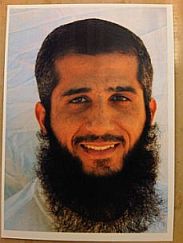 71. Guantánamo and habeas corpus: Fayiz Al-Kandari, A Kuwaiti Aid Worker in Guantánamo, Loses His Habeas Petition
72. Aafia Siddiqui: Barbaric: 86-Year Sentence for Aafia Siddiqui
73. The remaining prisoners in Guantánamo: Shaker Aamer and the Guantánamo Prisoner List
74. The remaining prisoners in Guantánamo: Who Are the Remaining Prisoners in Guantánamo? Part Four: Captured Crossing from Afghanistan into Pakistan (2 of 2)
75. Guantánamo and habeas corpus: David Frakt Explains Why Guantánamo Prisoners Have Habeas Corpus Rights
76. Radio interviews: Andy Worthington Talks Guantánamo and Torture on Antiwar Radio and The Peter B. Collins Show
77. Guantánamo media: Guantánamo: If the Light Goes Out – Photos by Edmund Clark
78. Moazzam Begg, Aafia Siddiqui: Moazzam Begg Visits Pakistan: My Return to the Scene of the Crime
79. Torture: Andy Worthington Attends “Berkeley Says No to Torture” Week, October 10-16, 2010
80. Guantánamo and habeas corpus: Heads You Lose, Tails You Lose: The Betrayal of Mohamedou Ould Slahi
81. UK politics: Talkin’ ’Bout My Generation: Ed Miliband’s Bright Start – Apologies for Iraq and for Losing Touch with the Electorate
82. The remaining prisoners in Guantánamo: Who Are the Remaining Prisoners in Guantánamo? Part Five: Captured in Pakistan (1 of 3)
October 2010
83. Deaths at Guantánamo, Accountability: US Court Denies Justice to Dead Men at Guantánamo
84. Guantánamo and habeas corpus: First Guantánamo Habeas Appeal to US Supreme Court
85. The remaining priosners in Guantánamo: Who Are the Remaining Prisoners in Guantánamo? Part Six: Captured in Pakistan (2 of 3)
86. Life after Guantánamo: Guantánamo Uighur Brothers “Happy” in Switzerland, But Struggling to Adapt to New Life
87. Hunger strikes in Guantánamo: Secrecy Still Shrouds Guantánamo’s Five-Year Hunger Striker (Abdul Rahman Shalabi)
 88. Torture, Accountability: Former Guantánamo Prisoner, Tortured by Al-Qaeda and the US, Launches Futile Attempt to Hold America Accountable (Abdul Rahim al-Janko/al-Ginco)
89. Torture: Liveblogging “Berkeley Says No to Torture” Week: Day One
90. Ahmed Khalfan Ghailani, Federal court trials: In the Case of Ahmed Khalfan Ghailani, Torture Apologists Are Everywhere
91. Torture: Liveblogging “Berkeley Says No to Torture” Week: Days Two and Three – Radio, Film and Puncturing John Yoo’s Lies
92. The remaining prisoners in Guantánamo: Who Are the Remaining Prisoners in Guantánamo? Part Seven: Captured in Pakistan (3 of 3)
93. Torture: Video: Andy Worthington and Justine Sharrock at “Berkeley Says No to Torture” Week
94. Torture: “Berkeley Says No to Torture” Week: Day Four – The Power of Art and the Power of the Pen (+ Video)
95. David Hicks: Former Guantánamo Prisoner David Hicks Describes His First Two Weeks at Camp X-Ray
96. Torture: Video: “The Giant John Yoo Debate” at “Berkeley Says No to Torture” Week, October 12, 2010
97. Torture: “Berkeley Says No to Torture” Week: Day Five – Humanizing Torture Victims and Fighting for the Soul of America (+ Videos)
98. “Outside the Law: Stories from Guantánamo”: Great Malvern Gives Resounding Welcome to “Outside the Law: Stories from Guantánamo”
99. UK politics: Butchering the Poor, the Ill, the Weak, the Dispossessed and the Marginalized: Welcome to Cameron and Osborne’s Heartless Britain
100. Guantánamo and habeas corpus: Judge Denies Guantánamo Prisoner’s Habeas Petition, Ignores Torture in Secret CIA Prisons (Tawfiq al-Bihani)
101. WikiLeaks, Iraq: Wikileaks’ 400,000 Classified Iraq War Documents Reveal 15,000 Previously Unreported Civilian Casualties, and Extensive Torture
102. Torture: How Paul Wolfowitz Authorized Human Experimentation at Guantánamo
103. Torture: “Berkeley Says No to Torture” Week: Day Six – Education, Human Experimentation and a Grand Finale
104. WikiLeaks: Wikileaks’ Julian Assange Accepts Intelligence Experts’ Whistleblower Award “On Behalf of Our Sources”
 105. Omar Khadr, Military Commissions: No Justice for Omar Khadr at Guantánamo
106. Omar Khadr, Military Commissions: The Betrayal of Omar Khadr – and of American Justice
107. Life after Guantánamo, Conditions in Guantánamo: Moazzam Begg Interviews Ex-Guantánamo Prisoner Adel El-Gazzar in Slovakia
108. Radio interviews: Andy Worthington Discusses Omar Khadr’s Depressing Plea Deal on Antiwar Radio
109. Omar Khadr, Military Commissions: Omar Khadr’s Statement at Guantánamo, October 28, 2010
110. Omar Khadr, Military Commissions: In Omar Khadr’s Sentencing Phase, US Government Introduces Islamophobic “Expert” and Irrelevant Testimony
111. UK politics: Critics Attack UK Government’s Cruel and Ill-Conceived Assault on Welfare
112. Omar Khadr, Military Commissions: Torture Is Finally Mentioned on the Last Day of Omar Khadr’s Sentencing Hearing at Guantánamo
113. The future of the media: Great Turnout in Brighton for Discussion on the Future of the Media with Nick Davies and Andy Worthington
November 2010
114. Omar Khadr: “A Child’s Soul is Sacred”: Omar Khadr’s Touching Exchange of Letters with Canadian Professor
115. Guantánamo and Republicans: Is There No End to Republicans’ Abuse of Guantánamo Prisoners?
116. Omar Khadr, Military Commissions: Omar Khadr Jury Hammers the Final Nail into the Coffin of American Justice
117. UK anti-terror laws: UK Government Faces Major Rebellion on Control Orders
118. Barack Obama: US Mid-Term Elections: The Death of Hope and Change
119. Torture: Video: “Berkeley Says No to Torture” Week – Forum on Torture with Marjorie Cohn, Andy Worthington, Shahid Buttar, Debra Sweet and Ray McGovern
120. UK anti-terror laws: Gareth Peirce Discusses Her New Book, “Dispatches from the Dark Side: On Torture and the Death of Justice”
121. Torture, George W. Bush: No Appetite for Prosecution: In Memoir, Bush Admits He Authorized the Use of Torture, But No One Cares
122. UK politics: Why I’ll Be Attending the Demonstration Against University Cuts on November 10
123. Guantánamo, Torture, Aafia Siddiqui: Video: Shafiq Rasul and Ruhal Ahmed Discuss US Detention at Kandahar, Bagram and Guantánamo with Andy Worthington at “Eid Without Aafia Siddiqui” Event
124. Guantánamo and habeas corpus: Court Orders Rethink on Tortured Guantánamo Prisoner’s Successful Habeas Petition (Mohamedou Ould Slahi)
125. Radio interviews: On Antiwar Radio, Andy Worthington Discusses Bush’s War Crimes and “Congressional Depravity” on Guantánamo
126. Torture, George W. Bush: On Bush’s Waterboarding Claims, UK Media Loses Its Moral Compass
127. UK anti-terror laws: Are Control Orders About To Be Scrapped?
128. UK politics: 50,000 Students Revolt: A Sign of Much Greater Anger to Come in Neo-Con Britain
129. UK politics: The Cruelty and Stupidity of the Government’s Welfare Reforms
130. UK politics: On Housing Benefit Cuts, British Public Reveals Shocking Lack of Empathy and Compassion
 131. UK complicity in torture, Shaker Aamer: As the UK Government Announces Compensation for Ex-Guantánamo Prisoners, Is the Return of Shaker Aamer Part of the Deal?
132. Closing Guantánamo: On Guantánamo, Obama Hits Rock Bottom
133. The remaining prisoners in Guantánamo: Who Are the Remaining Prisoners in Guantánamo? Part Eight: Captured in Afghanistan (2002-07)
134. Guantánamo campaigns, Shaker Aamer: Amnesty Students Say “Bring Shaker Aamer Home from Guantánamo”
135. UK complicity in torture, Shaker Aamer: The UK Government’s Guantánamo Guilt, and the Urgent Need for Shaker Aamer’s Return
136. Ahmed Khalfan Ghailani, Federal court trials: Morris Davis, Former Guantánamo Chief Prosecutor, Nails Critics of the Federal Court Trial of Ahmed Khalfan Ghailani
137. UK complicity in torture, Moazzam Begg, Shaker Aamer: Moazzam Begg Explains How Ex-Guantánamo Prisoners Offered to Forego Compensation for Return of Shaker Aamer
138. Guantánamo campaigns, Shaker Aamer: Send a Letter to Your MP Demanding the Release from Guantánamo of Shaker Aamer
139. UK complicity in torture, Moazzam Begg: Moazzam Begg in The Independent: The UK Government “Would Not Have Paid Up If They Thought They Could Win”
140. UK politics: Did You Miss This? 100 Percent Funding Cuts to Arts, Humanities and Social Sciences Courses at UK Universities
141. “Outside the Law: Stories from Guantánamo”: Revolutionary Spirit in Bangor, at a Screening of “Outside the Law: Stories from Guantánamo”
 142. Ahmed Khalfan Ghailani, Federal court trials: The Rule of Law in the US Hangs on Obama’s Response to the Ghailani Trial
143. Radio interviews: Guantánamo: Andy Worthington’s In-Depth Interview with Christopher Renner of Community Bridge Radio
144. Guantánamo campaigns, Shaker Aamer: Send a Letter to William Hague Asking Him to Demand Shaker Aamer’s Return to the UK from Guantánamo
145. Guantánamo media: My Exchange About Guantánamo with Benjamin Wittes, Advocate of “Military Detention without Trial”
146. UK politics: Cameron’s Britain: “Kettling” Children for Protesting Against Savage Cuts to University Funding
147. Radio interviews: Andy Worthington Discusses Obama’s Failure to Close Guantánamo with Brad Friedman on the Mike Malloy Show
December 2010
148. WikiLeaks, Guantánamo: The Irrelevance of Wikileaks’ Guantánamo Revelations
149. Guantánamo campaigns: Please Sign Petition Asking Eric Holder to Release Fayiz Al-Kandari, a Kuwaiti Aid Worker in Guantánamo
150. WikiLeaks, Guantánamo, Moazzam Begg: Guantánamo and the Wikileaks Documents, Including Yemeni and Uighur “Problems,” and Praise for Moazzam Begg
151. Torture: All Guantánamo Prisoners Were Subjected to “Pharmacological Waterboarding”
152. UK anti-terror laws: Lord Carlile, Discredited Advocate of Control Orders, Presents Flawed Alternative
153. WikiLeaks, Aafia Siddiqui: Wikileaks: Numerous Reasons to Dismiss US Claims that “Ghost Prisoner” Aafia Siddiqui Was Not Held in Bagram
154. Aafia Siddiqui: Video: Andy Worthington Speaks at “Bring Aafia Siddiqui Home,” November 14, 2010
155. Radio interviews: Andy Worthington, Asim Qureshi and Jason Leopold Discuss Guantánamo, Human Experimentation and the Global Reach of the “War on Terror” with Peter B. Collins
156. UK politics: Biggest Student Protest on Thursday, as Parliament Votes on Tuition Fees
157. Guantánamo campaigns, Shaker Aamer: “A Day for Shaker Aamer” on Saturday — and Postcards to Send to William Hague and to Shaker in Guantánamo
158. Guantánamo campaigns, Shaker Aamer: Urge Your MP to Sign Caroline Lucas’ Early Day Motion Calling for the Return of Shaker Aamer and the Closure of Guantánamo
159. WikiLeaks, Torture: WikiLeaks’ Revelations that Bush and Obama Put Pressure on Germany and Spain Not to Investigate US Torture
160. Radio interviews: Andy Worthington Discusses Guantánamo and WikiLeaks on Antiwar Radio
161. Targeted kilings, Accountability: Anwar Al-Awlaqi: Judge Rules that President’s Decision to Assassinate US Citizens Abroad, Without Due Process or Explanation, is “Judicially Unreviewable”
162. UK politics: Government Wins University Tuition Fees Vote, But So What? Remember the Poll Tax!
163. UK politics: Heroes and Villains in the Tuition Fees Vote
164. Campaigns: On Human Rights Day, Public Figures Call for Worldwide Ban on Solitary Confinement and Prisoner Isolation
165. Shaker Aamer: On Human Rights Day, A Call to Release Shaker Aamer from Guantánamo
166. Aafia Siddiqui: Cageprisoners Discusses the Repatriation of Aafia Siddiqui with Pakistan’s Interior Minister
167. Torture, Book reviews: Torture and Abuse on the USS Bataan and in Bagram and Kandahar: An Excerpt from “My Life with the Taliban” by Mullah Abdul Salam Zaeef
168. Guantánamo campaigns, Shaker Aamer: Report on “A Day for Shaker Aamer” and Screenings of “Outside the Law” — and a Message of Support from Ken Livingstone
169. Closing Guantánamo, Guantanamo and Congress: Guantánamo: A Dismal Week for America
170. WikiLeaks, Julian Assange: Ten Thoughts About Julian Assange and WikiLeaks
171. UK politics: Video: 15-Year Old Tells UK Government Why It Has Radicalised A Generation
172. Music: Summoning Up the Spirit of Ronnie Lane: The Triumphant Return of Slim Chance
173. Guantánamo campaigns, Shaker Aamer: Tell the UK and US Governments We Need A Deadline for the Return of Shaker Aamer from Guantánamo
174. Bradley Manning, WikiLeaks: Is Bradley Manning Being Held as Some Sort of “Enemy Combatant”?
 175. Ahmed Belbacha, UK complcity in torture: Lawyers for Ahmed Belbacha, Guantánamo Prisoner and Former UK Resident, Sue UK Government Over Refusal to Disclose Evidence of His Abuse
176. Guantánamo and Congress, Closing Guantánamo: Guantánamo Prisoners Sacrificed in Political Horse-Trading
177. Torture: More Evidence of Medical Experimentation at Guantánamo
178. Torture: Video: “Berkeley Says No to Torture” Week — Jason Leopold and Jeff Kaye Discuss Human Experimentation at Guantánamo
179. Closing Guantánamo, Barack Obama: President Obama Loses the Plot on Guantánamo
180. Closing Guantánamo, Yemenis in Guantanamo: Christmas at Guantánamo
181. Guantánamo and Congress, Barack Obama, Closing Guantánamo: With Indefinite Detention and Transfer Bans, Obama and the Senate Plumb New Depths on Guantánamo
182. Torture: Hounding a Torture Judge: A Report by Susan Harman on the Campaign to Impeach Jay S. Bybee
Andy Worthington is the author of The Guantánamo Files: The Stories of the 774 Detainees in America’s Illegal Prison (published by Pluto Press, distributed by Macmillan in the US, and available from Amazon — click on the following for the US and the UK) and of two other books: Stonehenge: Celebration and Subversion and The Battle of the Beanfield. To receive new articles in your inbox, please subscribe to my RSS feed (and I can also be found on Facebook and Twitter). Also see my definitive Guantánamo prisoner list, updated in July 2010, details about the new documentary film, “Outside the Law: Stories from Guantánamo” (co-directed by Polly Nash and Andy Worthington, currently on tour in the UK, and available on DVD here), my definitive Guantánamo habeas list and the chronological list of all my articles, and, if you appreciate my work, feel free to make a donation.
WikiLeaks Forum in New York Confirmed: Thursday January 6, with Andy Worthington and Attorneys from the Center for Constitutional Rights
 In my recently announced itinerary of events to mark the 9th anniversary of the opening of Guantánamo in New York, Baltimore and Washington D.C. (facilitated by The World Can’t Wait and Witness Against Torture), I mentioned a forum on the significance of WikiLeaks at the Brecht Forum in New York this Thursday, January 6, co-sponsored by the Center for Constitutional Rights, but noted that, at the time, it was not 100 percent confirmed.
I’m delighted to report that it has now been confirmed, and hope that readers in the New York area will be able to come along, and/or will be able to publicize it as widely as possible in the next three days. The following description is largely taken from the Brecht Forum website:
Thursday January 6, 7.30 pm: Special Forum — “WikiLeaks, State Secrets, Guantánamo and Torture” with Andy Worthington, Katie Gallagher, Pardiss Kebriaei, Leili Kashani and other speakers to be confirmed.
The Brecht Forum, 451 West Street (between Bank & Bethune Streets), New York, NY 10014.
Andy Worthington and attorneys and advocates from the Center for Constitutional Rights and Witness Against Torture will discuss the importance of WikiLeaks, attempts to extradite Julian Assange to the U.S., the dangerous isolation of Bradley Manning, revelations about Guantánamo and U.S. interference to suppress torture investigations in Germany and Spain, and the significance of other stories not covered by Wikileaks — in particular, the circumstances surrounding the deaths of three prisoners at Guantánamo in June 2006. This January 11, 2011 marks the beginning of the 10th year of indefinite detention at the U.S. prison at Guantánamo.
Andy Worthington is an author, journalist, and film maker who regularly writes for newspapers and websites including the Guardian, Truthout, the Future of Freedom Foundation, Cageprisoners, the Daily Star, Lebanon, the Huffington Post, Antiwar.com, CounterPunch, AlterNet, and ZNet. His book The Guantánamo Files: The Stories of the 774 Detainees in America’s Illegal Prison is the first book to tell the story of every man trapped in Guantánamo. His film is called “Outside the Law: Stories from Guantánamo” and addresses Guantánamo and the “War on Terror.”
Katie Gallagher is a Senior Staff Attorney at the Center for Constitutional Rights (CCR), where she focuses on holding individuals, including U.S. and foreign government officials, and corporations, including private military contractors, accountable for serious human rights violations. She is involved in two ongoing legal proceedings in Spain about the U.S. torture program, and WikiLeaks has revealed that the Obama administration has engaged in a political campaign to block both of them and prevent Spanish courts from securing accountability for torture and other crimes planned, authorized, and committed by Bush administration officials at Guantánamo and elsewhere.
Pardiss Kebriaei is a staff attorney at the Center for Constitutional Rights (CCR). She joined the Guantánamo Global Justice Initiative at CCR in July 2007, and provides direct representation to several of CCR’s clients at Guantánamo and the families of the men who died there in 2006. She is also involved in a lawsuit challenging a U.S. government kill-list and the targeting of a U.S. citizen now in Yemen and far from any armed conflict with the United States.
Leili Kashani is the Education and Outreach Associate for the Guantánamo Global Justice Initiative at the Center for Constitutional Rights (CCR). She advocates for a just closure of the prison at Guantánamo, resettlement for the men still detained, and against illegal detentions, the lack of accountability for torture, and expanding U.S. wars more broadly.
Witness Against Torture formed in 2005 when 25 Americans went to Guantánamo Bay and attempted to visit the detention facility. They are activists who are organizing to shut down Guantánamo and end U.S. torture programs and have engaged in public education, street theater, lobbying, and nonviolent direct actions towards this end.
For further information, and to register for this event, see the Brecht Forum website, or phone: 212-242-4201. This event is free for Brecht Forum Subscribers. Otherwise, admission is on a sliding scale: $6/$10/$15.
Andy Worthington is the author of The Guantánamo Files: The Stories of the 774 Detainees in America’s Illegal Prison (published by Pluto Press, distributed by Macmillan in the US, and available from Amazon — click on the following for the US and the UK) and of two other books: Stonehenge: Celebration and Subversion and The Battle of the Beanfield. To receive new articles in your inbox, please subscribe to my RSS feed (and I can also be found on Facebook and Twitter). Also see my definitive Guantánamo prisoner list, updated in July 2010, details about the new documentary film, “Outside the Law: Stories from Guantánamo” (co-directed by Polly Nash and Andy Worthington, currently on tour in the UK, and available on DVD here), my definitive Guantánamo habeas list and the chronological list of all my articles, and, if you appreciate my work, feel free to make a donation.
A New Year’s Plea to Close Guantánamo by a Clear-Sighted American
 While I’m busy preparing articles for the 9th anniversary of the opening of Guantánamo on January 11 (and preparing for my visit to the States, from January 6 to 12, to talk about Guantánamo in New York and Washington D.C.), I thought I’d cross-post a great American perspective on the prison’s continuing existence, which was published on Op-Ed News, and written by Barbara Quintilliano, who describes herself as an instructional librarian who lives in the Philadelphia, PA, area, works at a nearby university and is a member of the local Amnesty International USA chapter. I was particularly impressed by the way in which Barbara expressed her disgust with Guantánamo as an American, as shown in the following lines: “I take the abomination that is Guantánamo Bay detention camp personally. I’m tired of its acceptance as a national institution and fear that Americans have forgotten that there even was a time when we did not hold detainees in a Caribbean island fortress beyond the reach of our nation’s laws.” Please note that Barbara also has a blog, Liberata’s Blog, which can be found here.
Guantánamo Mon Amour
Barbara Quintiliano, Op-Ed News, January 1, 2011
Remember the old adage about the best laid plans of mice and men? Or the one about the road to a certain fiery destination being paved with good intentions? Well, here is a stunning example furnished by our country’s recent history:
Executive Order of President Obama, January 22, 2009: “By the authority vested in me as President by the Constitution and the laws of the United States of America the detention facilities at Guantánamo for individuals covered by this order shall be closed as soon as practicable, and no later than 1 year from the date of this order.”
CNN interview with White House Press Secretary Robert Gibbs, December 26, 2010 (almost 2 years later): “It’s certainly not going to close in the next month. I think part of this depends on the Republicans’ willingness to work with the administration on this.”
Notice that in the first excerpt the author unabashedly brandishes the power of the presidency, while in the second failure to achieve the goal is blamed by someone else on someone else. In other words, the leader of the free world sends his proxy to bemoan his powerlessness to defend the human and legal rights guaranteed by the Constitution because fear-mongering Republicans stand in his way.
Makes you wonder who’s really in charge here.
I take the abomination that is Guantánamo Bay detention camp personally. I’m tired of its acceptance as a national institution and fear that Americans have forgotten that there even was a time when we did not hold detainees in a Caribbean island fortress beyond the reach of our nation’s laws (even though the Supreme Court has ruled that habeas corpus rights under our Constitution do indeed reach as far as Gitmo). In case you too have forgotten, gentle reader, here’s a very brief recap of how Liberty’s lamp came to light the way to horror.
Not long after the Bush administration declared war on terror, Afghanis noticed that it was raining leaflets. The brochures dropped by the US military’s PsyOps promised $5,000, ” enough money to take care of your family, your village, your tribe for the rest of your life,” for each al-Qaeda fighter delivered to Northern Alliance who then turned them over to our military. And boy, did we ever get our money’s worth. Almost 800 prisoners, most captured nowhere near a battlefield, were rounded up and sent to Guantánamo Bay. An executive order issued February 7, 2002 declared them all “unlawful enemy combatants,” stripping them of their Geneva Convention rights. The infamous torture memo issued by Assistant Attorney General Jay Bybee in August 2002 [and written by John Yoo] deprived detainees of their human rights as well and paved the way for that other national disgrace, Abu Ghraib.
Realizing that it had been duped (once again), the Bush administration began to release small groups of detainees, spiriting them away on planes under cover of darkness after subjecting them to torture — uh, I mean enhanced interrogation techniques — which included chaining prisoners to the ground in a fetal position and leaving them lying in their own excrement, forcing them to stand naked in the cold after being dowsed with ice water, and smearing them with what they believed to be menstrual blood. Nothing was too brutal for these men, the worst of the worst, according to Dick Cheney. After all, John Yoo had declared the President an absolute monarch in war time.
Since January 11, 2002, when the first prisoners landed at Gitmo shackled, blindfolded, and stacked one up against the other like so much bulk cargo, top Judge Advocates General have strenuously objected to interrogation methods used on them, and FBI personnel have filed reports describing the abuses they witnessed. Former interrogator Matthew Alexander found out first hand in Iraq that “our policy of torture was directly and swiftly recruiting fighters for al-Qaeda,” and a Physicians for Human Rights case study has allowed some of the victims to tell their own heartbreaking stories. Courageous attorneys like H. Candace Gorman have fought for Gitmo prisoners’ habeas corpus rights and been vilified for doing so by Pentagon officials.
Yet revelations of atrocities keep coming. In 2006, three detainees supposedly hanged themselves, thus committing what Rear Adm. Harry B. Harris called “an act of asymmetrical warfare” against the US. However, those deaths have come to look suspiciously like homicides linked to “Camp No,” a mysterious Gitmo compound from which screams have been heard. Even more recently, a Seton Hall Law School report has revealed the routine administration to detainees of high doses of the antimalarial drug mefloquine, causing paranoia, hallucinations, and other neuropsychological damage.
Fear mongers in the Congress have put up numerous roadblocks preventing the release of innocent detainees and the trial of others in American courts of law instead of before substandard military commissions. But it gets worse. Even President Obama is now considering an executive order prescribing the indefinite detention for some still detained at Guantánamo Bay. In other words, an executive order to undo the one he signed on his first full day in office. How much longer will we let Liberty’s lamp light the way to the loss of liberty?
On January 11 the citadel of shame will mark its ninth anniversary. Not only must Gitmo be closed, but detainees not charged with crimes must be released and the others tried in a US court of law. Write or email the President and tell him you haven’t forgotten his historic executive order beginning “By the authority vested in me as President by the Constitution and the laws of the United States of America,” and mandating that, “the detention facilities at Guantánamo for individuals covered by this order shall be closed as soon as practicable.”
Demand that he make those words stick.
Andy Worthington is the author of The Guantánamo Files: The Stories of the 774 Detainees in America’s Illegal Prison (published by Pluto Press, distributed by Macmillan in the US, and available from Amazon — click on the following for the US and the UK) and of two other books: Stonehenge: Celebration and Subversion and The Battle of the Beanfield. To receive new articles in your inbox, please subscribe to my RSS feed (and I can also be found on Facebook and Twitter). Also see my definitive Guantánamo prisoner list, updated in July 2010, details about the new documentary film, “Outside the Law: Stories from Guantánamo” (co-directed by Polly Nash and Andy Worthington, currently on tour in the UK, and available on DVD here), my definitive Guantánamo habeas list and the chronological list of all my articles, and, if you appreciate my work, feel free to make a donation.
Andy Worthington Visits the US to Campaign for the Closure of Guantánamo on the 9th Anniverary of the Prison’s Opening, January 6-12, 2011
 The 9th anniversary of the opening of the “War on Terror” prison at Guantánamo Bay is on January 11, and, in the hope of raising awareness of the need for action to close Guantánamo and to secure fair trials or release from the prison for the 174 men still held, Andy Worthington, freelance investigative journalist, author of The Guantánamo Files and co-director of the documentary film, “Outside the Law: Stories from Guantánamo,” is traveling to the US to take part in a number of events during the week of this baleful anniversary, with the support of The World Can’t Wait and Witness Against Torture. Details of events are below, and for further information, or to interview Andy or to ask him to take part in further events, please contact Debra Sweet of The World Can’t Wait or Andy himself.
Sadly, two years into Barack Obama’s Presidency, and a year after the failure of his promise to close Guantánamo within a year, the outlook for the remaining 174 prisoners in Guantánamo is bleaker than it has been at any time since June 27, 2004, the day before the Supreme Court ruled that the prisoners had habeas corpus rights.
Although 90 of the remaining 174 prisoners have been “approved for transfer” for at least a year by the Guantánamo Review Task Force, established by President Obama to review the cases of the remaining prisoners, 58 of these men are Yemenis, whose release is prevented by a moratorium on the release of any Yemeni prisoners, which was issued by the President last January, in response to hysterical overreaction to the news that the failed Christmas Day plane bomber, Umar Farouk Abdulmutallab, had been recruited in Yemen. In addition, Congress has now stepped in, unconstitutionally restricting the President’s powers by declaring Yemen as one of several countries that are too dangerous for prisoners to be released to.
The remaining 32 men “approved for transfer” are mostly still held because of fears that they will face torture or other ill-treatment in their home countries, and because no third countries have been found that will accept them. They should, therefore, be offered new homes in the United States, but the Obama administration, the courts and Congress have all acted to prevent the relocation of a single cleared Guantánamo prisoner to the US mainland.
Of the remaining 84 prisoners, three are imprisoned after trials by Military Commission, 33 were recommended for trials by the Task Force, and 48 others were recommended for indefinite detention without charge or trial. Congress recently passed legislation preventing the transfer of any of these men to the US mainland to face trials, and also preventing the administration from buying a US prison to rehouse them, but this is not the only stumbling block to attempts to secure justice for any of these men.
Although the adminstration has been prevented from proceeding with the planned federal court trials for Khalid Sheikh Mohammed and four other men accused of involvement in the 9/11 attacks, officials have also shown little appetite for trials by Military Commission either, especially after the negative publicity that greeted the plea deal negotiated in October with the former child prisoner Omar Khadr, who was obliged to plead guilty to war crimes invented by Congress and endorsed by the administration.
In addition, it was recently announced that President Obama is set to sign an executive order formalizing the indefinite detention of the 48 men designated for indefinite detention by the Task Force. This will allow them a periodic review of their cases, but it remains an unjustifiable position for the administration to maintain (and is symptomatic of the administration’s disregard for the US courts and the prisoners’ ongoing habeas petitions), and the combination of factors in play as Guantánamo begins the 10th year of its lawless business — the executive order regarding indefinite detention, the unwillingness to proceed with any trials, and the self-imposed obstacles preventing the release of 90 men whose release was recommended by the Task Force — means that, on this particular anniversary, there is a very real possibility, without concerted effort by Americans opposed to the existence of Guantánamo and all it stands for, that almost everyone still held at Guantánamo will continue to be held indefinitely.
To raise awareness of these issues, and to call for action, Andy is taking part in the following events:
Thursday January 6, 7.30 pm: Special Forum — “WikiLeaks, State Secrets, Guantánamo and Torture” with Andy Worthington, Katie Gallagher, Pardiss Kebriaei, Leili Kashani and Jeremy Varon.
The Brecht Forum, 451 West Street (between Bank & Bethune Streets), New York, NY 10014.
For this special event, Andy Worthington will be joined by Katie Gallagher, Pardiss Kebriaei and Leili Kashani from the Center for Constitutional Rights and Jeremy Varon of Witness Against Torture to discuss the importance of WikiLeaks, attempts to extradite Julian Assange to the US, the dangerous isolation of Bradley Manning, revelations about Guantánamo and US interference to suppress torture investigations in Germany and Spain, and the significance of other stories not covered by Wikileaks — in particular, the circumstances surrounding the deaths of three prisoners at Guantánamo in June 2006.
For further information, and to register for this event, see the Brecht Forum website, or phone: 212-242-4201. This event is free for Brecht Forum Subscribers. Otherwise, admission is on a sliding scale: $6/$10/$15.
 Friday January 7, 7 pm: Film screening – “Outside the Law: Stories from Guantánamo,” followed by Q&A with Andy Worthington and Scott Horton.
Revolution Books, 146 West 26th Street (between 6th & 7th Ave.), New York, NY 10001.
A screening of the documentary film, “Outside the Law: Stories from Guantánamo” (directed by Polly Nash and Andy Worthington) will be followed by a discussion about the film, the state of Guantánamo on the 9th anniversary of its opening, and accountability for torture with Andy Worthington and Scott Horton, law professor and columnist for Harper’s Magazine.
A donation of $10 is requested for the film, drinks and popcorn, to benefit Revolution Books. For further information, see the Revolution Books website, or contact the store by email or by phone: 212-691-3345. A Facebook page is here.
Sunday January 9, 4 pm: World Can’t Wait open house to celebrate the New Year and a new office, and to welcome Andy Worthington.
The World Can’t Wait, 112 West 27th Street, New York, NY 10001.
An open house to mark the opening of The World Can’t Wait‘s new office, and an opportunity to meet Andy Worthington, to discuss actions to help close Guantánamo, and to hold senior Bush administration officials accountable for torture, and also to hear about. and to support the campaigning work of The World Can’t Wait.
For further information, please contact Debra Sweet, National Director, The World Can’t Wait by email or phone the office: 866-973-4463.
Monday January 10, 7 pm: Panel discussion — “War Is A Lie” with David Swanson, plus guests Andy Worthington, Cindy Sheehan and Debra Sweet.
Barnes & Noble Johns Hopkins Bookstore, 3330 St. Paul Street, Baltimore, MD 21218.
En route to Washington D.C. for events marking the 9th anniversary of the opening of Guantánamo, Andy Worthington will be a guest of the author, blogger and activist David Swanson at an event promoting his latest book War Is A Lie, along with peace activist Cindy Sheehan and Debra Sweet of The World Can’t Wait.
For further information, see the War Is A Crime website, and to contact the store, please phone: 410-662-5850.
 Tuesday January 11, 10.30 am: 11-day Vigil and Fast for the Closure of Guantánamo begins outside The White House, 1600 Pennsylvania Ave., Washington, D.C. Press conference at 11 am with Tom Parker (AIUSA), Pardiss Kebriaei (CCR), Andy Worthington, Frida Berrigan and Valerie Lucznikowska.
On the 9th anniversary of the opening of Guantánamo, anti-torture activists Witness Against Torture launch a Daily Vigil and Fast for Justice that will continue for 11 days and includes demonstrations throughout Washington D.C. The event on January 11 begins with a rally of a coalition of human rights and grassroots groups and individuals, including the Center for Constitutional Rights, Amnesty International USA, September 11 Families for Peaceful Tomorrows, Torture Abolition and Survivors Support Coalition, The World Can’t Wait, Andy Worthington, Cindy Sheehan and, hopefully, peace activist Ray McGovern and others, followed by a press conference at 11 am, a “prisoner procession” to the Department of Justice at 11.45 am, arriving at 12.15 pm, where members of Witness Against Torture will engage in nonviolent direct action. Speakers at the rally will include: Tom Parker, Amnesty International USA’s advocacy and policy director of terrorism, counterterrorism and human rights, Valerie Lucznikowska, September 11 Families for Peaceful Tomorrows, historian and Guantánamo researcher Andy Worthington, Pardiss Kebriaei, staff attorney, the Center for Constitutional Rights, representing Guantánamo detainees, and Frida Berrigan, Witness Against Torture.
For further information, please visit the Witness Against Torture website, or contact Frida Berrigan by email or phone: 347-683-4928 or Jeremy Varon by email or phone: 732-979-3119. Or contact Aaron Barnard-Luce of AIUSA by email or phone: 202-509-8194, Jen Nessel of CCR by email or phone: 212-614-6449, or Shonna Carter of September 11 Families for Peaceful Tomorrows by email or phone: 212-260-5000
Tuesday January 11, 3.30-5 pm: Panel discussion — “Nine Years of Guantánamo: What Now?” with Andy Worthington, Tom Wilner, Morris Davis and Benjamin Wittes.
New America Foundation, 1899 L Street, N.W., Suite 400, Washington, D.C. 20036.
On the 9th aniversary of the opening of Guantánamo, Andy Worthington is joined by attorney Tom Wilner, Morris Davis, the former chief prosecutor of the Military Commissions at Guantánamo, and Benjamin Wittes of the Brookings Institution, for what promises to be a lively discussion about the future of Guantánamo. Tom Wilner is the former attorney for the Kuwaiti prisoners in Guantánamo, who argued the Guantánamo cases in the Supreme Court (and is hoping to challenge the ongoing detention of one of the two remaining Kuwaiti prisoners before the Supreme Court), Morris Davis resigned in October 2007, after being placed in a chain of command under Pentagon General Counsel William J. Haynes II, who advocated for the use of torture, and Benjamin Wittes has spent several years arguing that new legislation is required authorizing the indefinite detenton of prisoners. Among the topics under discussion will be the viability of the Authorization for Use of Military Force as a basis for detention, the approach taken by the Obama administration and the courts with regard to the prisoners’ habeas corpus claims, and the conficting claims for federal court trials, trials by Mlitary Commission or indefinite detention without charge or trial for the 81 of the remaining 174 prisoners that the adminstration has stated that it wants to try or to detain indefinitely. The discussion will be moderated by Patrick Doherty of the New America Foundation.
For further information, please contact Andrew Lebovitch of the New America Foundation.
Wednesday January 12, 12-1.30 pm: Panel discussion on the future of Guantánamo and accountabiity for torture with Andy Worthington, Juan Méndez, Leili Kashani and Frida Berrigan, plus excerpts from “Outside the Law: Stories from Guantánamo.”
American University Washington College of Law, JD Lounge, 6th floor, 4801 Massachusetts Avenue NW, Washington, D.C. 20016.
For the final event of this short US tour, Andy Worthington will be joined by Juan Méndez, Visiting Professor of Law at the American University Washington College of Law, and the newly appointed UN Special Rapporteur on Torture and Other Cruel, Inhuman or Degrading Treatment or Punishment, and Leili Kashani of the Center for Constitutional Rights for further discussion about how to push for the closure of Guantánamo, fair trials, the release of cleared prisoners, an end to indefinite detention without charge or trial, and accountability for torture. The panel discussion will be moderated by Frida Berrigan of Witness Against Torture, excerpts from “Outside the Law; Stories from Guantánamo” will be shown, and refreshments will be served.
For further information, please contact Kate Kelly or Ann Warshaw of WCL.
Andy Worthington is the author of The Guantánamo Files: The Stories of the 774 Detainees in America’s Illegal Prison (published by Pluto Press, distributed by Macmillan in the US, and available from Amazon — click on the following for the US and the UK) and of two other books: Stonehenge: Celebration and Subversion and The Battle of the Beanfield. To receive new articles in your inbox, please subscribe to my RSS feed (and I can also be found on Facebook and Twitter). Also see my definitive Guantánamo prisoner list, updated in July 2010, details about the new documentary film, “Outside the Law: Stories from Guantánamo” (co-directed by Polly Nash and Andy Worthington, currently on tour in the UK, and available on DVD here), my definitive Guantánamo habeas list and the chronological list of all my articles, and, if you appreciate my work, feel free to make a donation.
Guantánamo Is “A Piece of Hell That Kills Everything”: A Bleak New Year Message from Yemeni Prisoner Adnan Farhan Abdul Latif
 On Christmas Day, I wrote an article reminding readers of the plight of the remaining 174 prisoners in Guantánamo, and specifically focusing on the case of Adnan Farhan Abdul Latif, a mentally troubled Yemeni prisoner who has attempted to commit suicide on several occasions. Despite being cleared for release in 2007 by the Bush administration, and winning his habeas corpus petition in the District Court in Washington D.C. in July 2010, Latif remains in Guantánamo, as, distressingly, the Obama administration has chosen to appeal against his successful habeas petition.
Even if the Obama administration had not taken this inexplicable — or deeply cyncial — step, Latif would still be held, because of a moratorium on releasing any Yemeni prisoners from Guantánamo, which was issued by President Obama last January after a hysterical response to the news that the failed Christmas Day plane bomber, Umar Farouk Abdulmutallab, had been recruited in Yemen. This is unforgivable in and of itself, as it consigns the 58 Yemenis “approved for transfer” by the President’s Guantánamo Review Task Force to the status of political prisoners, detained through an unacceptable belief in the collective guilt of the Yemeni people.
With just ten days to go before the 9th anniversary of the opening of Guantánamo, Latif’s attorney, David Remes, has released an unclassified letter from his client, in which Latif expresses his despair at his abandonment by the US justice system — and by his own country.
I am cross-posting the letter below, in the hope of awakening outrage in the hearts of at least some members of the American public who have decided that the ongoing injustice of Guantánamo is somehow irrelevant.
A letter from Guantánamo, by Adnan Farhan Abdul Latif
To Attorney David Remes who dedicated his efforts to work on my dead case. The case that has been buried by its makers under the wreckage of freedom, justice, and the malicious and cursed politics.
Testimony and Consolation
I offer my dead corpse to the coming Yemeni delegation.
They agreed on the torture and agonies that I went through all those years.
They knew that I am innocent and at the same time ill and that I left my country to seek treatment.
This is also a message to the Yemeni people who bear the responsibility of my death in front of God and the responsibility of all of the other Yemenis inside this prison. This prison is a piece of hell that kills everything, the spirit, the body and kicks away all the symptoms of health from them.
A Testimony of Death
A testimony against injustice and against the propagandists of freedom, justice and equality.
Adnan Farhan Abdulatif while in the throes of death.
156
Andy Worthington is the author of The Guantánamo Files: The Stories of the 774 Detainees in America’s Illegal Prison (published by Pluto Press, distributed by Macmillan in the US, and available from Amazon — click on the following for the US and the UK) and of two other books: Stonehenge: Celebration and Subversion and The Battle of the Beanfield. To receive new articles in your inbox, please subscribe to my RSS feed (and I can also be found on Facebook and Twitter). Also see my definitive Guantánamo prisoner list, updated in July 2010, details about the new documentary film, “Outside the Law: Stories from Guantánamo” (co-directed by Polly Nash and Andy Worthington, currently on tour in the UK, and available on DVD here), my definitive Guantánamo habeas list and the chronological list of all my articles, and, if you appreciate my work, feel free to make a donation.
As published exclusively on Cageprisoners.












 Who's still at Guantánamo?
