On the 12th Anniversary of the Opening of Guantánamo, Please Write to the Prisoners
 Every six months, I put out a call for people to write to the prisoners in Guantánamo, to let them know that they have not been forgotten, and to let the US authorities know that people are watching what they do at Guantánamo.
The letter-writing campaign was started three years ago by two Facebook friends, Shahrina J. Ahmed and Mahfuja Bint Ammu, and it has been repeated every six months (see here, here, here, here and here).
In previous calls for people to write letters, I specifically referred to the men still held as the “forgotten prisoners,” but I have not chosen to do so this time, because, last year, people began to wake up, in significant numbers, to the fact that Guantánamo is still open and to remember the men who had indeed been largely forgotten, at least since 2010, when the one-year deadline for President Obama’s promise to close the prison expired with a whimper.
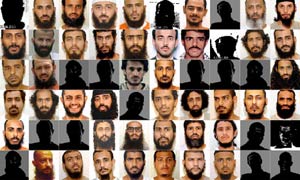
Last year over a million people signed two petitions calling for the closure of Guantánamo (see here and here), and it was because of the prisoners themselves that their plight was brought back into the international spotlight. The prisoners did this through a prison-wide hunger strike, which reminded the world’s media that Guantánamo is a legal, moral and ethical abomination, a place where the men still held — 155 in total — are, for the most part, indefinitely detained without charge or trial, even though nearly half of them — 76 men — were cleared for release four years ago by the high-level, inter-agency Guantánamo Review Task Force. Read the rest of this entry »
For Ramadan, Please Write to the Hunger Striking Prisoners at Guantánamo
Every six months, I urge readers to send letters to the prisoners in Guantánamo, and, as this is the Muslim holy month of Ramadan, which began July 8, there is no better time to write to the 166 men still held, the majority of whom have been on a hunger strike for over five months, protesting about conditions at the prison, and the failure of all three branches of the US government to free them or put them on trial.
In the last three years, just ten prisoners have been released, even though 86 of the men still held were cleared for release by the sober and responsible inter-agency Guantánamo Review Task Force, consisting of around 60 members of the major government departments and the intelligence agencies. Established by President Obama when he took office in 2009, the task force spent a year reviewing the men’s cases before reaching their decisions about who to release, who to prosecute, and, disturbingly, who to hold indefinitely without charge or trial on the basis that they are “too dangerous to release,” even though insufficient evidence exists to put them on trial. In the real world, what this means is that the supposed evidence is no such thing, and is, instead, a collection of extremely unreliable statements made by the prisoners themselves, and, more particularly, their fellow prisoners, as well as other intelligence reports of a dubious nature.
The Guantánamo Review Task Force’s report was published in January 2010, but it was not until last month that a document explaining which prisoners had been placed into which categories was released through FOIA legislation. I analyzed that document here, and noted which prisoners had been placed in which categories in the prisoner list on the CloseGuantánamo.org website. Read the rest of this entry »











 Who's still at Guantánamo?
